Biodiversity: the Blog

Teamwork

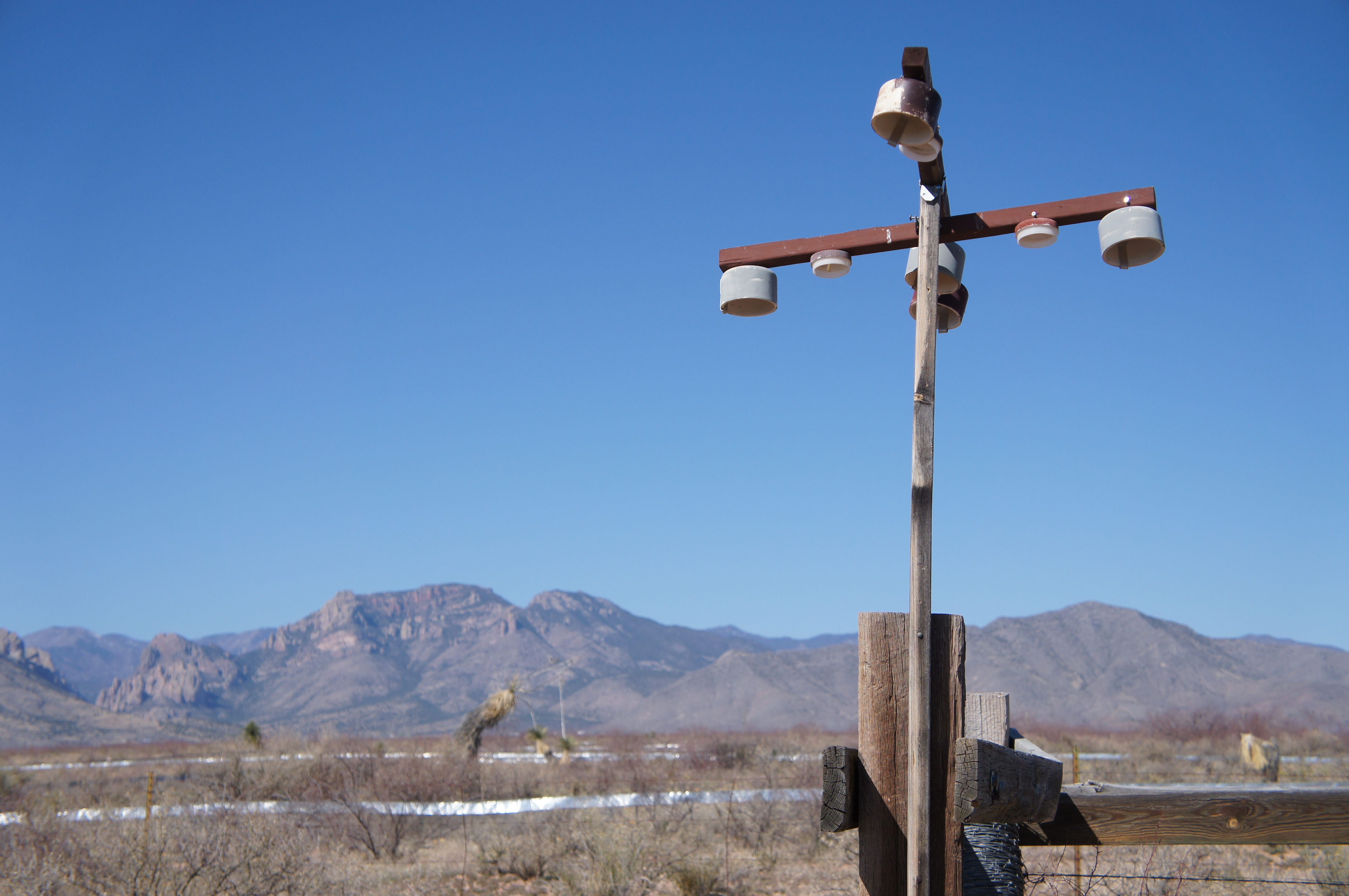
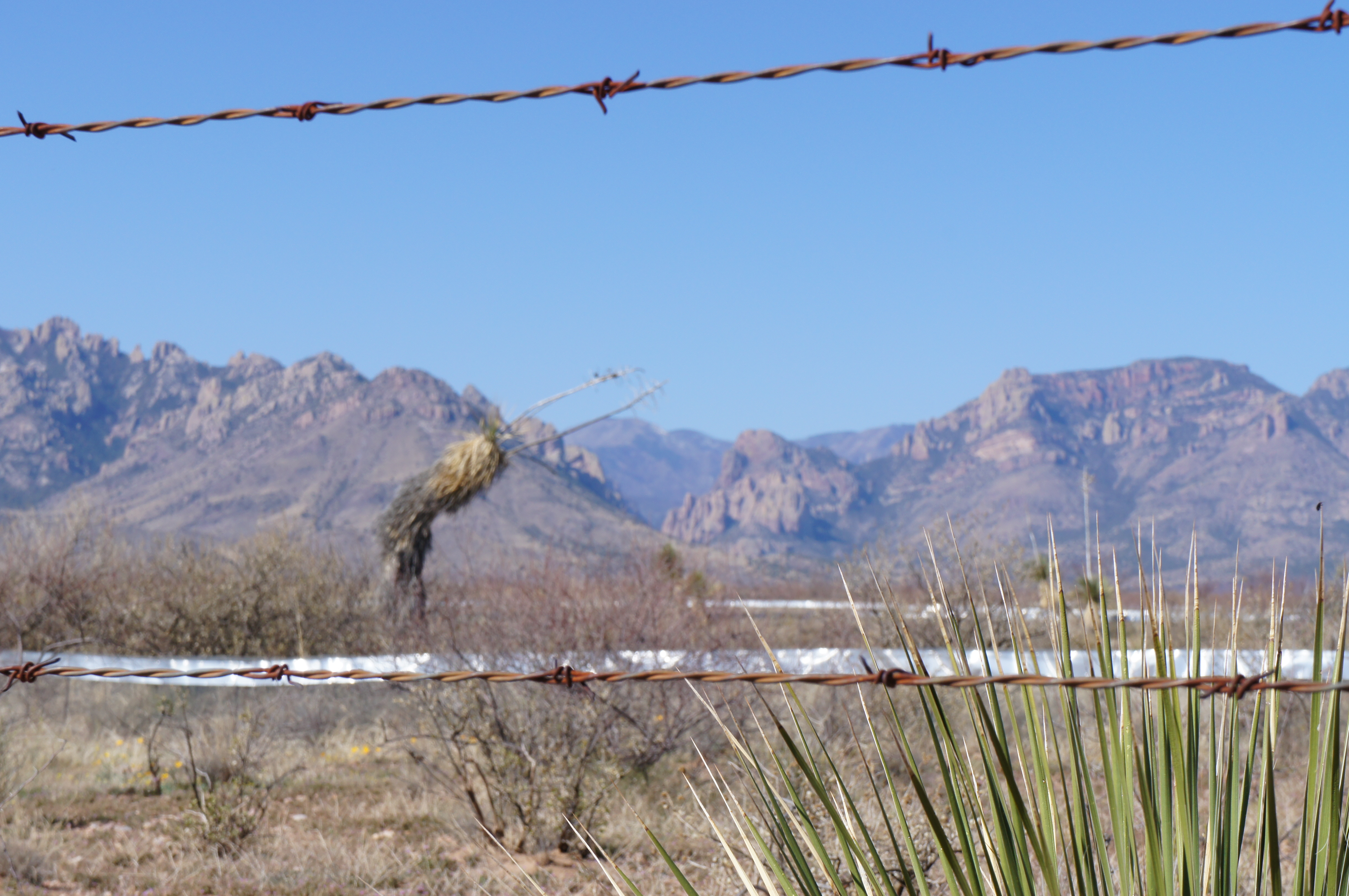
Does this landscape make you wonder how so many species can coexist? Well, it’s no tropical rain forest, but the San Simon Valley in southeastern Arizona IS home to a long term study on annual plant diversity and the rodent species that feed on their seeds. I posted below about the difference in winter and summer annual plants in the Sonoran Desert. While this field site is in the Chihuahuan Desert, it also has a distinct winter community.

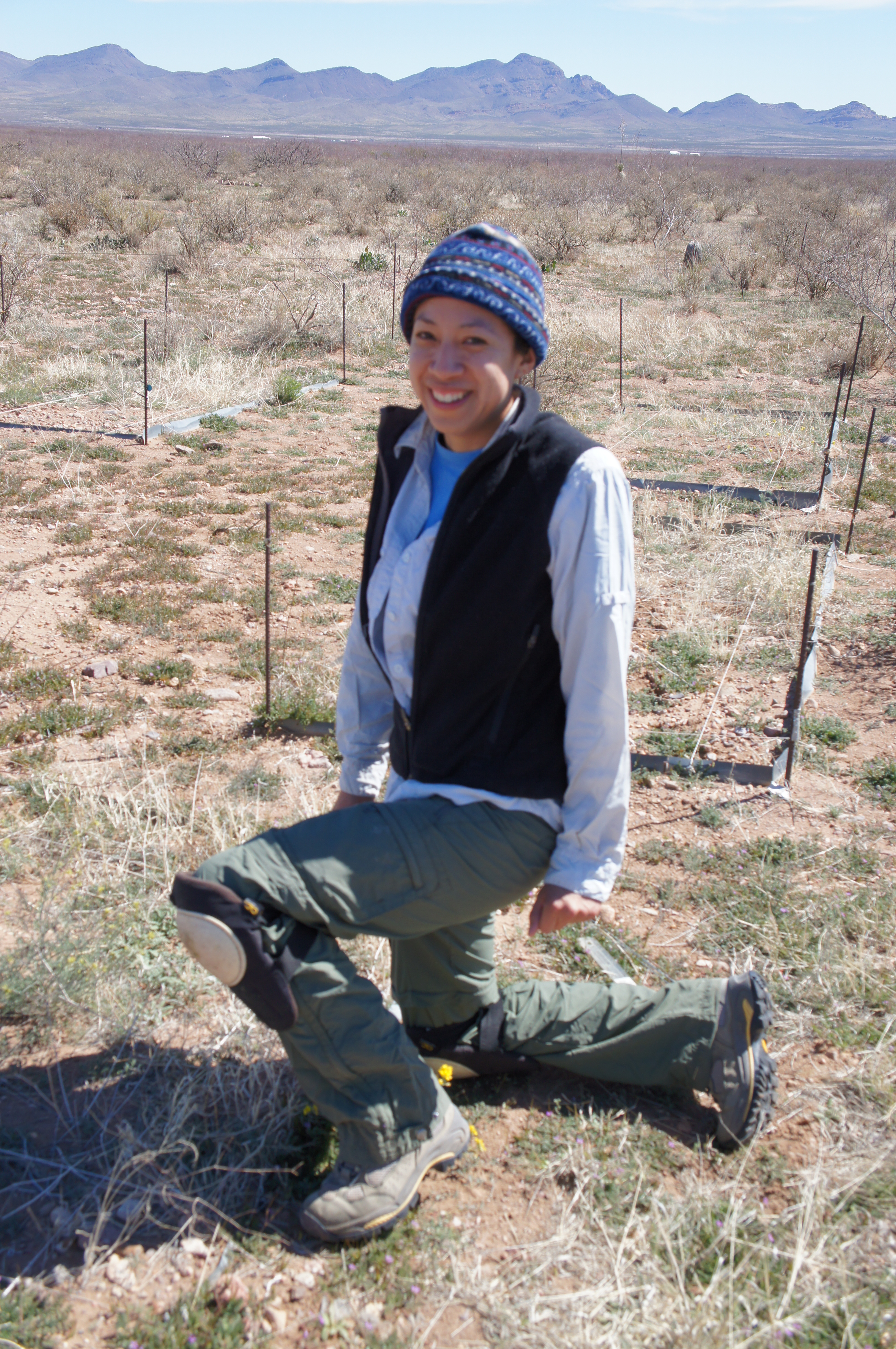
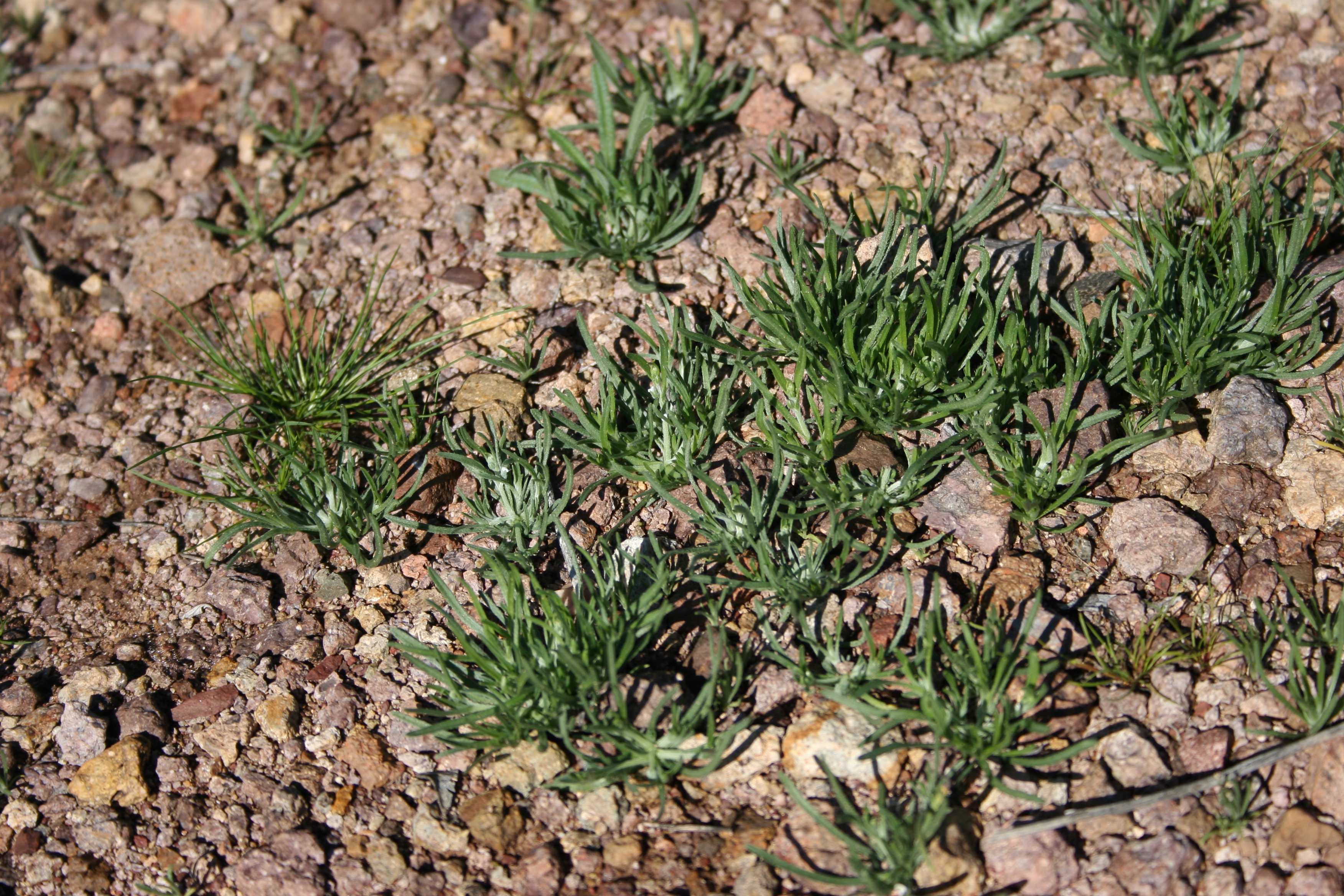
I helped a post-doctoral researcher (Pirate Danielle in the second picture) finish the census in March, as she and other graduate and undergraduate students measured literally thousands of teeny tiny plants that had grown all winter in these 80cm x 80cm squares. These were long days, starting at 6am for a three hour drive to the site, followed by eight or more hours crouched on the ground counting or recording, with the return drive looming! If Danielle’s new job as faculty at Smith College doesn’t work out, maybe she’ll publicize the “Portal Workout.” It involves assuming a position on the ground with your weight cantilevered forward, then holding for approximately eight hours. She was pretty strong by the end of the field season. 

Image

ImageImageImageImageImage

Snow birds!

The Tucson Gem and Mineral Show is long over, and with it those flocks of “snow birds” – sixty-degrees-and-sunny-weather chasers down from Minnesota and Ohio for the winter – will head back up north to avoid the scorching Arizona summers.

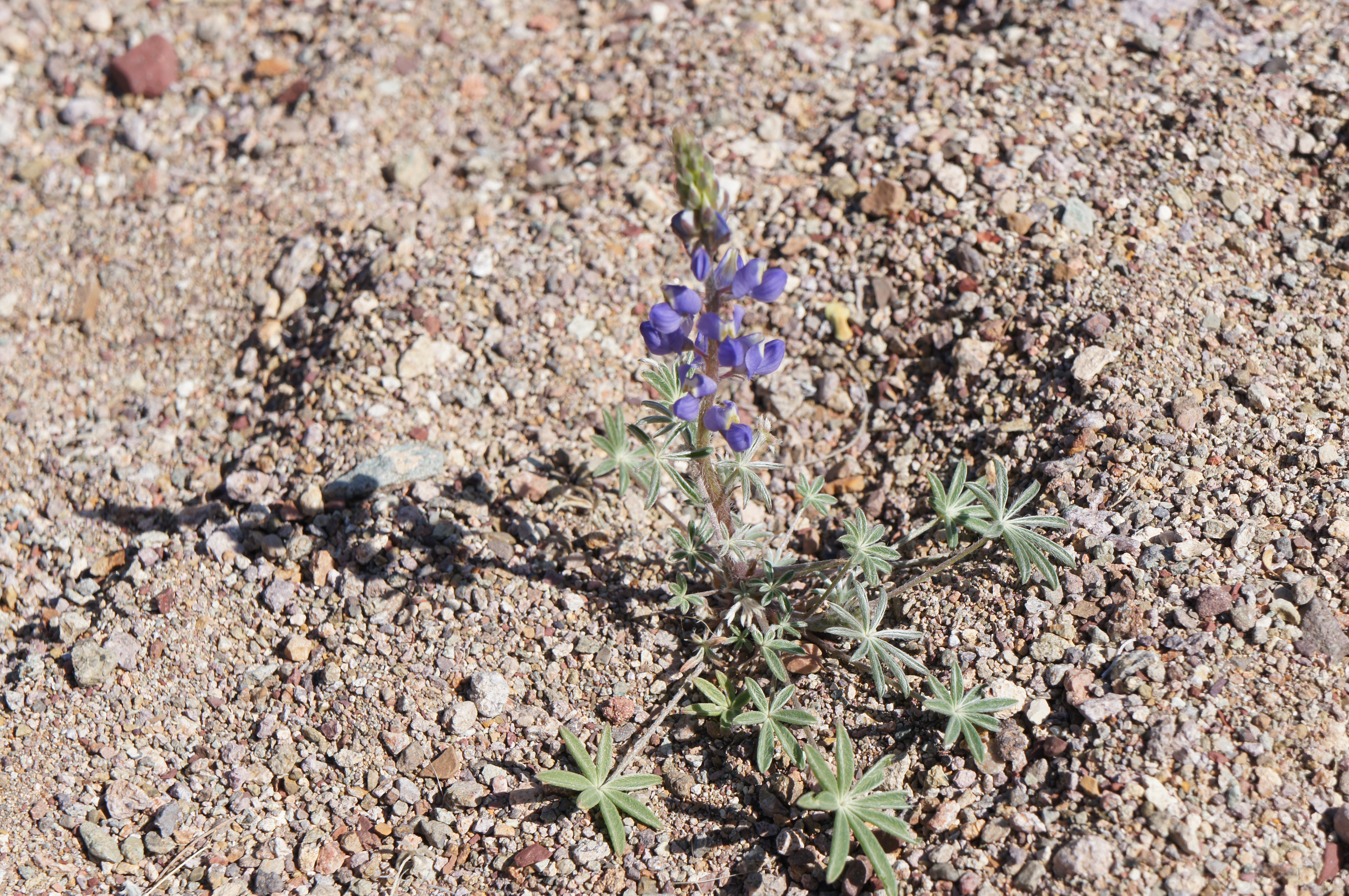
Lupine in a wash

Plants here have learned this trick, too. An entire “guild,” or group with similar life histories, of “winter annuals” exists. These are plants that germinate, grow, flower, and set seed all within the winter rainy season. They vanish with the winter rains during that arid foresummer of April and May, much like the retirees. I visited my field site a few weeks ago, only to find an entirely new set of green things “carpeting” (for Arizona, anyway) the hillside. With an early end to the rains, many are flowering now – Tumamoc Hillis covered in something yellow with purple highlights! The wildflower fans I know are planning their weekend excursions now, nearly a month before expected – so hurry outside! The bloom won’t last.

High density of annual plants

The other part of the year

It’s raining in Tucson again! These are the winter rains, which typically yield a very different pool of germinating seedlings. Since I am focusing on the summer community, I am not counting the seedlings, but looking forward to checking in on what the plots look like during the other part of the year. If these rains keep up until January when La Nina effects kick in, the rumor goes among ecologists, we could have a particularly spectacular spring wildflower crop. I wonder if the soil chemistry, or remaining vegetation structure of dead annuals, will affect my summer germination next year?

For the curious, answers only lead to more questions

You can now watch a 4 1/2 minute video of me presenting my preliminary results from this summer’s field study on an invasive grass. I’m going back through the data, analyzing how meaningful the differences I saw were, given the massive variation. So keep in mind these are preliminary, not yet peer reviewed, conclusions.

I point out at the end of the talk that my results pave the way to ask more questions I am interested in.

These are germinants in early July. The one on top with the yellow pin is probably buffelgrass. I think the other two are the same species, but the one on the right is older, having grown leaves and shed its cotyledons. Does anyone know what Arizona plants has such a shape?

One of those questions that needs to be answered (before I can get to the real questions) is what a few of the plants I saw out there are… most of them I only saw in seedling stage. Seedlings lack reproductive parts (flowers), which are pretty critical for identification. But it gets worse. They also lack other major structures like adult stem structures (woody or not?), and even basic things like leaves. So I may not get much more specific than genus, but that would be pretty good itself – especially since we know mostly what species are present in my study site, so I can make an educated guess about what members of the genus I might be seeing.

And the answer is…

Sunset in Chaos Canyon, July 2011

With the arrival of the winter rains last week, and my first two public presentations of the results, my 2011 pilot field season is officially over! No spoilers on here, but suffice to say my preliminary analysis suggests that looking at seedling survival is in fact important, and I’m looking forward to setting up more detailed and strategic studies next summer. Now I get to apply to cover those materials and hire some promising undergraduates to help out! If you missed my poster at the GPSC’s homecoming weekend Student Showcase or the Institute of the Environment’s GradBlitz, feel free to leave a comment or email me directly about my results.

Things move quickly during the monsoon

I’ve started a field study on buffelgrass and its impact on native plants, also looking at water and at predators. One day, while counting seedlings up Chaos Canyon (in the Tucson Mountains), a field assistant and I both paused at a distant boom.

“Did you hear that?” I asked. After a few minutes wondering what had caused it, the other student pointed out to the floor of the canyon.

“I don’t think there used to be half a saguaro there,” he said.

We hiked out the long way to check it out, and sure enough, there was a freshly fallen cactus, juicy and meaty flesh scattered about from the impact. The air was thick with insects drawn to the moist treat.

I left town the next day for a conference, and when I returned, I tried to showanother friend the site. I almost didn’t find it again – already its skin had sloughed to its feet like a dirty pair of jeans after a long, drunken night on the town,leaving sad ribs exposed. Even the flies left it alone now.

A newly fallen saguaro August 4
The same saguaro August 14, after an untypically fast decomposition

Biosphere 2 at 20

Here I am in March inside Biosphere 2's "human habitat" area near where the tour starts with some activities I created. Through the panes of glass behind me lie the mangrove swamp, ocean, and desert.

Biosphere 2 was in the news in the last few days throughout their Earth Day celebration and the 20th anniversary of the original biospherean missions, in which people tried to live inside the sealed, regenerative system in the early 1990’s.

One of the main lessons learned from those missions was the importance of Biosphere 1: the earth. So it is appropriate to celebrate both anniversaries at the same time. While the article today suggests the structure could serve as an “ark” for endangered plants, it is clearly not large enough to support self-sustaining populations of large forest trees. The inability of scientists who study ecological communities to predict the interactions of all the species from around the world meeting one another for the first time inside Biosphere 2 clearly pointed out how far we had to go to in understanding ecology.

That is why I am working on my PhD, to contribute to a better understanding of populations’ interactions, especially in the case of new interactions. I plan to study how invasive plants affect the populations of native species when they spread out of control, as many grasses and thistles have done in North America (and worldwide really).

Pasta fail

My first pasta making experience was successful. Emotionally I reacted as though I had just invented fire.

What does my homemade pasta have to do with biology? That they are both green? Well, sure. That energy is being transferred up the food chain from the producers (the dandelion greens, spinach, frisee, and flour) to a consumer (me)?  Yep. And energy is also being transferred from a consumer (a chicken) through its attempts to reproduce (eggs) to me, a secondary consumer. And by the time you have also considered the bacteria living in my digestive tract that help me digest food, we have a whole complex ecology of multiple trophic levels and a symbiosis.

Pasta making can be as frustrating and baffling as trying to penetrate nature’s secrets, and, like all biology, pasta obeys laws of physics and chemistry. The first time I made past from greens, eggs, flour, and salt, it turned out inexplicably perfect and delicious. The green dough formed long strips of fettuccine that curled delicately on the plate. The second time, for whatever reason, the gooey mass that I attempted to slice stuck together in strips and balls, and when I boiled it became warty. Like any science experiment, the first results seem eerily irreproducible – but I have a hypothesis as to why. I suspect I did not add enough flour. Although I measured the requisite number of cups in, more flour gets incorporated as you pat the dough out on a floured surface, then fold it over to pat it out again. Or perhaps I failed to pat and fold the dough long enough for that gluten to bind to the other ingredients.

The second attempt resulted in misformed, thick lumps that developed warts with cooking. What went wrong?

Maybe next time I can do an experiment to test that: divide the batch into several portions, to which I’ll add varying amounts of flour, patting and folding for a fixed time. Another set of portions will have a set amount of flour to be incorporated during varying lengths of patting and folding.

And if this whole PhD thing doesn’t work out, maybe I can get a job as a pasta chef.

Ecology of the Blue Devils and Wildcats

Duke has beat Arizona four times and the Wildcats beat the Blue Devils three times. Is that right? I don’t follow basketball very much, but I do like watching games. And the same scientific principles apply to sports as to ecology.

Since each game is a separate event when you think like a statistician, the past record does not determine who will win tonight’s game. For the communities of similar plants that live around Tucson, the weather each year is also a separate event. The amount of rain last year does not determine this year’s rain.

But if the factors that control the outcome are similar to past years, we can figure out the probability of that outcome. For example, if we measure wind speeds and directions over the oceans, we can estimate the probability that this year will be wetter than usual in Arizona. That would benefit many of the wildflower species. The wind patterns can be related to the amount of rainfall, and meteorlogists look for the factors that cause the relationship, like the physics of the wind patterns’ directions. Likewise, if Arizona had never beat Duke, we might wonder if Arizona recruited less talented players, or practiced less, or had an ineffective coach. Fortunately, that’s not the case! We have a real shot at winning tonight, based on the factors that predict outcomes.

Of course, that “historical range of variation,” or the set of past experiences, could always be changing in some specific way. For example, a team might get better over thirty years as a coach gains experience, and his winning record attracts better players. In ecology, many habitats have become more and more “fragmented,” or broken up by roads and houses over the last thirty years. On a longer time scale, as a school gets more established and wealthy over a century or two, its sports might also improve. Ecologically, as greenhouse gasses warm the earth, the physics of those wind currents might change, and we will have a harder time predicting our rainfall in Arizona.

So here’s to hoping Arizona wins tonight! There are whole fields of science that deal with why I’m hoping that (neuroscience and psychology), which I won’t get into.

(I should also mention that Duke has a pretty awesome Ecology program, too.)

Back to the Islands

Spring break means islands, but human visitors to islands have brought new animals that have caused widespread extinctions of endemic island birds. This finch in the Galapagos, however, seems to be doing just fine.

Since spring break is just finishing at some schools and just about to start at others, I have been thinking about islands. Lots of people will go on cruises, or to spend the week on an island, scuba diving or just surfing or lounging. But all those visitors have had some serious effects on biodiversity on those islands. Since the 1600s, when humans first caused the extinction of the island bird called the dodo by bringing dogs, pigs, rats, and other animals that found eggs lying on the ground an easy breakfast, island birds have gone extinct in great numbers. Guam’s native birds were wiped out by the introduction of the brown tree snake, and avian malaria has done a number on unique Hawaiian birds.

Plants, on the other hand, have not gone extinct in large numbers on islands due to introduced species. That is according to a 2008 study by Dov Sax and Steven Gaines. There are certainly examples where domestic goats have run wild and eaten off virtually all of the remaining slow-growing and unique silverswords in Hawaii. Rob Robichaux, a faculty member at University of Arizona, along with a number of other scientists and dedicated volunteers and professionals, are trying to save those silverswords.

So why do introduced plants tend to naturalize without causing extinction of native plants? Maybe they are using resources in a different way and will continue to coexist. They certainly can change the ecosystem’s look, structure, and functioning (how much biomass grows, how humid the climate is, etc.). So maybe they are causing extinctions, just more slowly than a disease epidemic. The paper by Sax and Gaines asks some of those questions, but scientists do not know the answers yet.